Astuce, Tips et jouer gratuitement ici en 2 clics
Logiciel educatif recreation
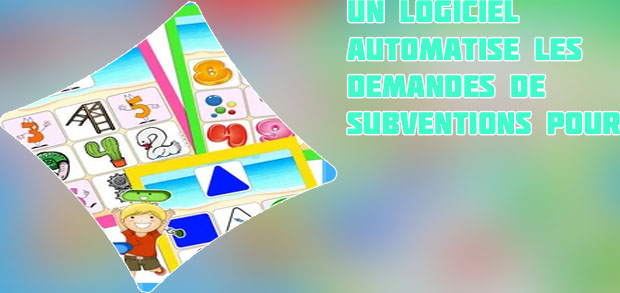
Educational software can be a valuable tool for engaging students in learning while also providing a fun and interactive experience. In this digital age, educational software has become an essential part of the education system, offering a wide range of opportunities for students to learn and grow. Below are two articles that explore different aspects of educational software in the context of recreation, providing insights into how these tools can enhance the learning experience while also offering a source of entertainment for students.
The Impact of Gamification in Educational Software: Making Learning Fun
Gamification in educational software has revolutionized the way students engage with learning materials. By incorporating game elements such as rewards, competition, and interactive challenges, educators have found a way to make learning more enjoyable and effective. This approach not only motivates students to actively participate in their learning process but also enhances their retention of information.
One practical use case of gamification in educational software can be seen in a language learning app called Duolingo. Through its gamified platform, users are encouraged to complete daily language exercises to earn points, unlock new levels, and compete with friends. This approach has proven to be highly successful, as evidenced by the app's millions of active users and positive reviews. In fact, studies have shown that users who engage with the app regularly are more likely to retain the language skills they've learned compared to traditional methods of language learning.
Overall, the integration of gamification in educational software has had a profound impact on the way students approach learning. By making learning fun and engaging, educators are able to tap into the intrinsic motivation of students, leading to improved academic performance and a deeper understanding of the material. The positive results of gamification in education are clear, making it a valuable tool for promoting learning in the digital age.
Exploring the Role of Virtual Reality in Educational Recreation Software
Virtual Reality (VR) technology has revolutionized various industries, and the educational sector is no exception. The integration of VR in educational recreation software has opened up a world of possibilities for students to enhance their learning experiences. By creating immersive and interactive virtual environments, students can engage with the material in a way that traditional methods cannot replicate.
One key area where VR is making a significant impact is in the field of historical and cultural education. Imagine being able to step back in time and walk through ancient ruins, or explore a famous museum from the comfort of your classroom. With VR technology, students can experience history and culture in a way that brings the past to life. This hands-on approach not only makes learning more engaging but also helps students retain information better.
Furthermore, VR can be used to simulate real-world experiences that would otherwise be impossible or dangerous to replicate in a traditional setting. For example, students studying marine biology can dive deep into the ocean and interact with sea creatures, or aspiring astronauts can explore outer space. By providing these immersive experiences, VR technology has the potential to revolutionize how we learn and understand complex topics.
In conclusion, the role of virtual reality in educational recreation software is crucial for enhancing learning experiences and preparing students for the future. This technology is particularly important for educators